Table of Contents
Introduced in 2014, the LGA2011‑3 platform represented a significant advancement in Intel’s high‑end desktop (HEDT) and server lineup. Built on Haswell‑E and later Broadwell‑E architectures, it succeeded the aging LGA2011 socket while introducing DDR4 support, higher core counts, and much higher memory bandwidth and I/O throughput. It’s also commonly referred to as LGA2011‑v3.
This platform served two primary markets:
- The HEDT segment, featuring Core i7 processors like the 5960X and 6950X for enthusiasts, content creators, and overclockers;
- The server/workstation market, with Xeon E5‑2600 v3/v4 series offering up to 22 cores for enterprise workloads.
Between 2019–2024, the socket experienced renewed popularity. Enterprise server refresh cycles saturated secondary markets with affordable processors, while Chinese motherboards enabled budget system builds suitable for gaming and workstation use.
This guide provides a deep dive into LGA2011‑3, examining its architectures and standout processors, while assessing whether this platform remains viable in 2025.
LGA2011-3 Processor Architectures and Features
Haswell‑E / Haswell‑EP
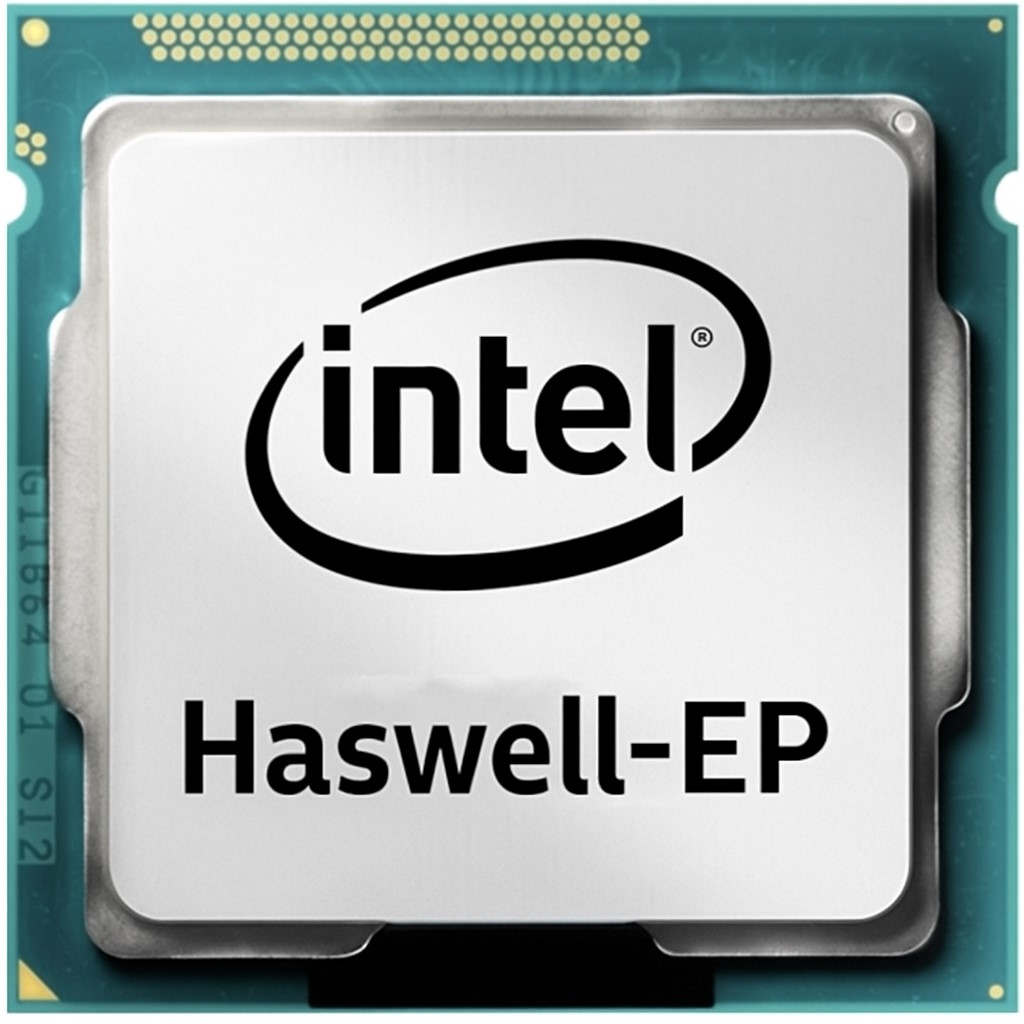
In August 2014, Intel introduced the Haswell‑E platform for high‑end desktops, along with the server‑oriented Haswell‑EP Xeon E5 v3 series. Both shared the same 22 nm microarchitecture and socket LGA2011‑3, bringing quad‑channel DDR4 memory and up to 18‑core CPUs to market.
Key architectural features:
- Process node: 22 nm Tri‑Gate
- Haswell core design (2013), adapted for HEDT and server applications
- DDR4 memory controller, quad‑channel, up to DDR4‑2133 officially (some models also supported DDR3)
- AVX2 and FMA3 instruction support for SIMD acceleration
- No integrated GPU, as expected for workstation/server‑grade silicon
- Up to 40 PCIe 3.0 lanes on high‑end parts for GPU and storage expansion
- TSX (Transactional Synchronization Extensions) present in early revisions but often disabled due to errata
- Up to 8 cores (Core i7) and up to 18 cores (Xeon E5‑2600 v3) in a monolithic die
Haswell‑E brought the first DDR4‑enabled platform to both enthusiasts and enterprise users. While the i7 lineup appealed to overclockers and creators, the Xeon v3 family delivered massive multi‑threaded performance for data centers, rendering farms, and later — budget DIY workstations.
One notable v3‑era tweak was a turbo boost modification that allowed enthusiasts to lock the maximum single‑core turbo across all cores, often yielding 300–500 MHz gains (with higher heat and power). It became popular among LGA2011‑3 builders. For the current method, see our S3TurboTool tutorial.
Broadwell‑E / Broadwell‑EP
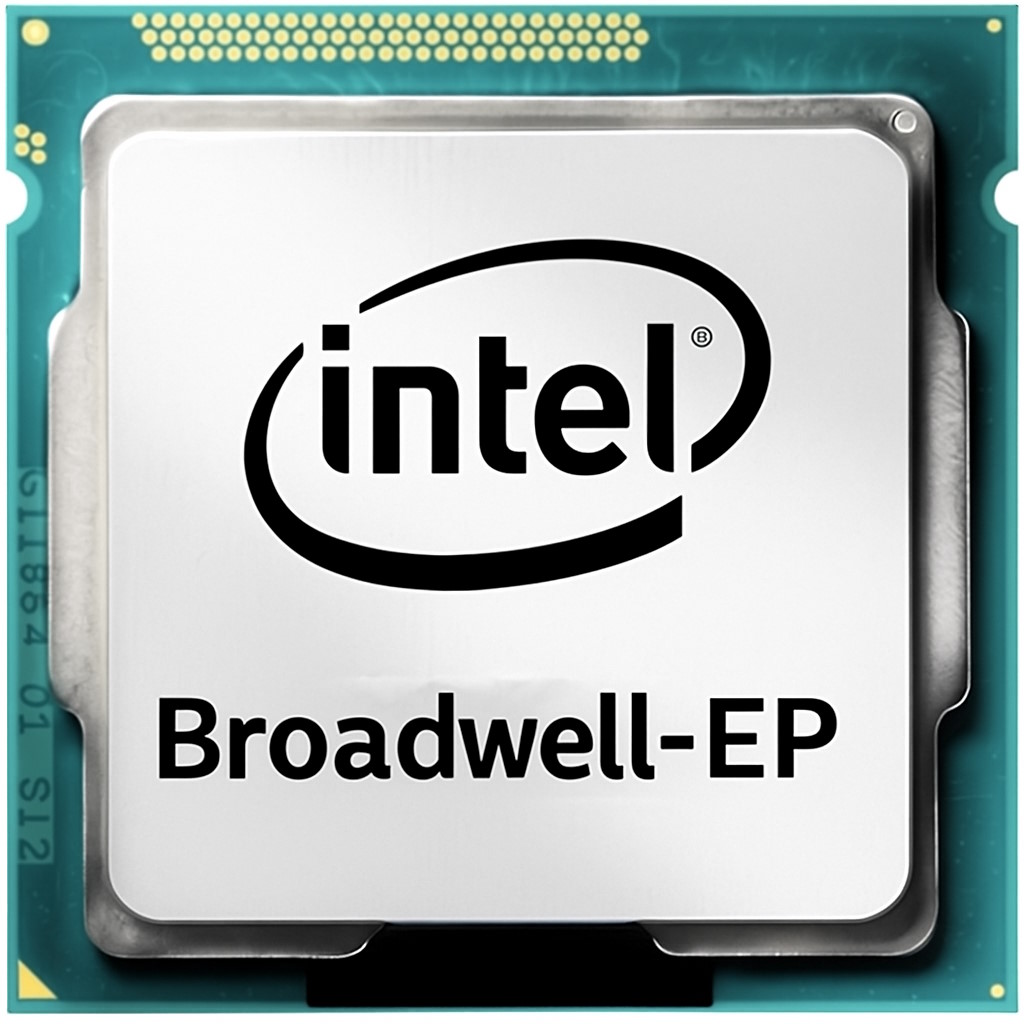
In mid‑2016, Intel released the Broadwell‑E family for HEDT alongside the server‑oriented Broadwell‑EP Xeon E5 v4 lineup. Both used the 14 nm process and remained compatible with LGA2011‑3. Thanks to the die shrink and tuning, Broadwell offered more cores, better efficiency, and slightly improved IPC over Haswell.
Key architectural features:
- Process node: 14 nm
- Refined Haswell core with modest IPC gains (~5–8%)
- DDR4 quad‑channel controller, now officially up to DDR4‑2400
- Up to 10 cores (Core i7) and up to 22 cores (Xeon E5) in a monolithic die
- Turbo Boost Max Technology 3.0 (select models) — prioritizes the fastest core for better single‑thread performance
- AVX2 and FMA3 retained; TSX generally re‑enabled and functional. AVX frequency reduction now affects only cores actively running AVX
- Up to 40 PCIe 3.0 lanes on enthusiast and high‑end server parts
- Improved power efficiency and thermals versus Haswell‑E
Broadwell‑E marked the peak of Intel’s monolithic HEDT/server CPUs before the shift toward mesh interconnects and more scalable designs. Its Xeon variants — especially high‑core‑count E5 v4 chips — remain popular in budget workstations, virtualization hosts, and enthusiast builds, helped by affordable Chinese X99 motherboards.
The turbo boost modification was patched for this generation, but architectural improvements combined with noticeably lower heat and power let Broadwell compete successfully with v3 parts even without the mod.
All Socket 2011-3 Processors and Their Specifications
Core i7 5000 Series
| Model | Cores / Threads | Base Frequency | Max Turbo Frequency | L3 Cache | Multiplier | PCIe Lanes | TDP |
|---|---|---|---|---|---|---|---|
| Core i7-5820K | 6 / 12 | 3.3 GHz | 3.6 GHz | 15 MB | Unlocked | 28 | 140 W |
| Core i7-5930K | 6 / 12 | 2.1 GHz | 2.6 GHz | 25 MB | Unlocked | 40 | 140 W |
| Core i7-5960X | 8 / 16 | 2.6 GHz | 3.2 GHz | 25 MB | Unlocked | 40 | 140 W |
Core i7 6000 Series
| Model | Cores / Threads | Base Frequency | Max Turbo Frequency | L3 Cache | Multiplier | PCIe Lanes | TDP |
|---|---|---|---|---|---|---|---|
| Core i7-6800K | 6 / 12 | 3.4 GHz | 3.8 GHz | 15 MB | Unlocked | 28 | 140 W |
| Core i7-6850K | 6 / 12 | 3.6 GHz | 3.8 GHz | 15 MB | Unlocked | 40 | 140 W |
| Core i7-6900K | 8 / 16 | 3.2 GHz | 3.7 GHz | 20 MB | Unlocked | 40 | 140 W |
| Core i7-6950X | 10 / 20 | 3.0 GHz | 3.5 GHz | 25 MB | Unlocked | 40 | 140 W |
Xeon E5 1600 v3
| Model | Cores / Threads | Base Frequency | Max Turbo Frequency | L3 Cache | Multiplier | Memory support | TDP |
|---|---|---|---|---|---|---|---|
| Xeon e5 1603 v3 | 4 / 4 | 2.8 Ghz | - | 10 mb | Locked | DDR4-1866 | 140 W |
| Xeon e5 1607 v3 | 4 / 4 | 3.1 Ghz | - | 10 mb | Locked | DDR4-1866 | 140 W |
| Xeon e5 1620 v3 | 4 / 8 | 3.5 Ghz | 3.6 Ghz | 10 mb | Locked | DDR4-2133 | 140 W |
| Xeon e5 1630 v3 | 4 / 8 | 3.7 Ghz | 3.8 Ghz | 10 mb | Locked | DDR4-2133 | 140 W |
| Xeon e5 1650 v3 | 6 / 12 | 3.5 Ghz | 3.8 Ghz | 15 mb | Unlocked | DDR4-2133 | 140 W |
| Xeon e5 1660 v3 | 8 / 16 | 3.0 Ghz | 3.5 Ghz | 20 mb | Unlocked | DDR4-2133 | 140 W |
| Xeon e5 1680 v3 | 8 / 16 | 3.2 Ghz | 3.8 Ghz | 20 mb | Unlocked | DDR4-2133 | 140 W |
| Xeon e5 1681 v3 | 10 / 20 | 2.9 Ghz | 3.5 Ghz | 25 mb | ? | DDR4-2133 | 135 W |
| Xeon e5 1686 v3 | 12 / 24 | 2.6 Ghz | 3.3 Ghz | 30 mb | ? | DDR4-2133 | 135 W |
| Xeon e5 1691 v3 | 14 / 28 | 2.5 Ghz | 3.4 Ghz | 35 mb | ? | DDR4-2133 | 135 W |
Most interesting models: E5‑1650, E5‑1660, and E5‑1680. Unlocked processors designed for boards that support overclocking. Note that frequencies above ~4.2 GHz generate significant heat and power draw.
Models E5‑1681, 1686, and 1691 were produced in small batches and are extremely rare.
Xeon E5 1600 v4
| Model | Cores / Threads | Base Frequency | Max Turbo Frequency | L3 Cache | Memory support | TDP |
|---|---|---|---|---|---|---|
| Xeon e5 1603 v4 | 4 / 4 | 2.8 Ghz | - | 10 mb | DDR4-2133 | 140 W |
| Xeon e5 1607 v4 | 4 / 4 | 3.1 Ghz | - | 10 mb | DDR4-2133 | 140 W |
| Xeon e5 1620 v4 | 4 / 8 | 3.5 Ghz | 3.8 Ghz | 10 mb | DDR4-2400 | 140 W |
| Xeon e5 1630 v4 | 4 / 8 | 3.7 Ghz | 4.0 Ghz | 10 mb | DDR4-2400 | 140 W |
| Xeon e5 1650 v4 | 6 / 12 | 3.6 Ghz | 4.0 Ghz | 15 mb | DDR4-2400 | 140 W |
| Xeon e5 1660 v4 | 8 / 16 | 3.2 Ghz | 3.8 Ghz | 20 mb | DDR4-2400 | 140 W |
| Xeon e5 1680 v4 | 8 / 16 | 3.4 Ghz | 4.0 Ghz | 20 mb | DDR4-2400 | 140 W |
Intel dropped unlocked multipliers in this series, retaining them only in some QS samples.
Most interesting models:
- E5‑1650 v4 — 6 cores with decent clocks; most budget‑friendly gaming choice
- E5‑1660 v4 — affordable 8‑core; also good for home PCs
Xeon E5 2600 v3
| Model | Cores / Threads | Base Frequency | Max Turbo Frequency | L3 Cache | Memory support | TDP |
|---|---|---|---|---|---|---|
| Xeon e5 2603 v3 | 6 / 6 | 1.6 Ghz | - | 15 mb | DDR4-1600 | 85 W |
| Xeon e5 2608L v3 | 6 / 12 | 2.0 Ghz | - | 15 mb | DDR4-1866 | 52 W |
| Xeon e5 2609 v3 | 6 / 6 | 1.9 Ghz | - | 15 mb | DDR4-1600 | 85 W |
| Xeon e5 2618L v3 | 8 / 16 | 2.3 Ghz | 3.4 Ghz | 20 mb | DDR4-1866 | 75 W |
| Xeon E5 2620 v3 | 6 / 12 | 2.4 Ghz | 3.2 Ghz | 15 mb | DDR4-1866 | 85 W |
| Xeon e5 2622 v3 | 8 / 16 | 2.4 Ghz | 3.4 Ghz | 20 mb | DDR4-1866 | 85 W |
| Xeon e5 2623 v3 | 4 / 8 | 3.0 Ghz | 3.5 Ghz | 10 mb | DDR4-1866 | 105 W |
| Xeon e5 2628 v3 | 8 / 8 | 2.5 Ghz | 3.0 Ghz | 20 mb | DDR4-1866 | 85 W |
| Xeon e5 2628L v3 | 10 / 20 | 2.0 Ghz | 2.5 Ghz | 25 mb | DDR4-1866 | 75 W |
| Xeon e5 2629 v3 | 8 / 16 | 2.4 Ghz | - | 20 mb | DDR3-1866 DDR4-1866 | 85 W |
| Xeon e5 2630 v3 | 8 / 16 | 2.4 Ghz | 3.2 Ghz | 20 mb | DDR4-1866 | 85 W |
| Xeon e5 2630L v3 | 8 / 16 | 1.8 Ghz | 2.9 Ghz | 20 mb | DDR4-1866 | 55 W |
| Xeon e5 2637 v3 | 4 / 8 | 3.5 Ghz | 3.7 Ghz | 15 mb | DDR4-2133 | 135 W |
| Xeon E5 2640 v3 | 8 / 16 | 2.6 Ghz | 3.4 Ghz | 20 mb | DDR4-2133 | 90 W |
| Xeon e5 2643 v3 | 6 / 12 | 3.4 Ghz | 3.7 Ghz | 20 mb | DDR4-2133 | 135 W |
| Xeon e5 2648L v3 | 12 / 24 | 1.8 Ghz | 2.5 Ghz | 30 mb | DDR4-2133 | 75 W |
| Xeon e5 2649 v3 | 10 / 20 | 2.3 Ghz | 3.0 Ghz | 25 mb | DDR3-1866 DDR4-2133 | 105 W |
| Xeon e5 2650 v3 | 10 / 20 | 2.3 Ghz | 3.0 Ghz | 25 mb | DDR4-2133 | 105 W |
| Xeon e5 2650L v3 | 12 / 24 | 1.8 Ghz | 2.5 Ghz | 30 mb | DDR4-2133 | 65 W |
| Xeon e5 2652 v3 | 10 / 20 | 2.3 Ghz | 2.8 Ghz | 25 mb | DDR4-2133 | 105 W |
| Xeon e5 2658 v3 | 12 / 24 | 2.2Ghz | 2.9 Ghz | 30 mb | DDR3-2133 DDR4-2133 | 105 W |
| Xeon e5 2658A v3 | 12 / 24 | 2.2 Ghz | 2.9 Ghz | 30 mb | DDR4-2133 | 105 W |
| Xeon e5 2660 v3 | 10 / 20 | 2.6 Ghz | 3.3 Ghz | 25 mb | DDR4-2133 | 105 W |
| Xeon e5 2663 v3 | 10 / 10 | 2.8 Ghz | 3.5 Ghz | 25 mb | DDR4-2133 | 120 W |
| Xeon E5 2666 v3 | 10 / 20 | 2.9 Ghz | 3.5 Ghz | 25 mb | DDR3-1866 DDR4-2133 | 135 W |
| Xeon e5 2667 v3 | 8 / 16 | 3.2 Ghz | 3.6 Ghz | 20 mb | DDR4-2133 | 135 W |
| Xeon e5 2669 v3 | 12 / 24 | 2.3 Ghz | 3.1 Ghz | 30 mb | DDR3-1866 DDR4-2133 | 120 W |
| Xeon E5 2670 v3 | 12 / 24 | 2.3 Ghz | 3.1 Ghz | 30 mb | DDR4-2133 | 120 W |
| Xeon e5 2673 v3 | 12 / 24 | 2.4 Ghz | 3.1 Ghz | 30 mb | DDR3-1866 DDR4-2133 | 105 W |
| Xeon e5 2675 v3 | 16 / 32 | 1.8 Ghz | 2.3 Ghz | 40 mb | DDR4-2133 | 110 W |
| Xeon e5 2676 v3 | 12 / 24 | 2.4 Ghz | 3.1 Ghz | 30 mb | DDR4-2133 | 120 W |
| Xeon e5 2678 v3 | 12 / 24 | 2.5 Ghz | 3.3 Ghz | 30 mb | DDR3-1866 DDR4-2133 | 120 W |
| Xeon e5 2680 v3 | 12 / 24 | 2.5 Ghz | 3.3 Ghz | 30 mb | DDR4-2133 | 120 W |
| Xeon e5 2683 v3 | 14 / 28 | 2.0 Ghz | 3.0 Ghz | 35 mb | DDR4-2133 | 120 W |
| Xeon e5 2685 v3 | 12 / 12 | 2.6 Ghz | 3.3 Ghz | 30 mb | DDR4-2133 | 120 W |
| Xeon e5 2686 v3 | 18 / 36 | 2.0 Ghz | 3.5 Ghz | 45 mb | DDR3-1866 DDR4-2133 | 120 W |
| Xeon e5 2687W v3 | 10 / 20 | 3.1 Ghz | 3.5 Ghz | 25 mb | DDR4-2133 | 160 W |
| Xeon e5 2690 v3 | 12 / 24 | 2.6 Ghz | 3.5 Ghz | 30 mb | DDR4-2133 | 135 W |
| Xeon e5 2695 v3 | 14 / 28 | 2.3 Ghz | 3.3 Ghz | 35 mb | DDR4-2133 | 120 W |
| Xeon e5 2696 v3 | 18 / 36 | 2.3 Ghz | 3.8 Ghz | 45 mb | DDR3-1866 DDR4-2133 | 145 W |
| Xeon e5 2697 v3 | 14 / 28 | 2.6 Ghz | 3.6 Ghz | 35 mb | DDR4-2133 | 145 W |
| Xeon e5 2698 v3 | 16 / 32 | 2.3 Ghz | 3.6 Ghz | 40 mb | DDR4-2133 | 135 W |
| Xeon e5 2698A v3 | 16 / 32 | 2.8 Ghz | 3.2 Ghz | 40 mb | DDR4-2133 | 165 W |
| Xeon e5 2698B v3 | 16 / 32 | 2.0 Ghz | 3.4 Ghz | 40 mb | DDR3-1866 DDR4-2133 | 135 W |
| Xeon e5 2699 v3 | 18 / 36 | 2.3 Ghz | 3.6 Ghz | 45 mb | DDR4-2133 | 145 W |
Most interesting models:
- E5‑2666 v3 — 10 cores with adequate frequency; universal budget option
- E5‑2690 v3 — popular 12‑core with decent clocks
- E5‑2697 v3 — most interesting 14‑core option
- E5‑2696 v3/2699 v3 — high frequency and many cores
Xeon E5 2600 v4
| Model | Cores / Threads | Base Frequency | Max Turbo Frequency | L3 Cache | Memory support | TDP |
|---|---|---|---|---|---|---|
| Xeon E5-2603 v4 | 6 / 6 | 1.7 GHz | - | 15 MB | DDR4-1866 | 85W |
| Xeon E5-2608L v4 | 8 / 16 | 1.6 GHz | 1.7 GHz | 20 MB | DDR4-1866 | 50W |
| Xeon E5-2609 v4 | 8 / 8 | 1.7 GHz | - | 20 MB | DDR4-1866 | 85W |
| Xeon E5-2618L v4 | 10 / 20 | 2.2 GHz | 3.2 GHz | 25 MB | DDR4-2133 | 75W |
| Xeon E5 2620 v4 | 8 / 16 | 2.1 GHz | 3 GHz | 20 MB | DDR4-2133 | 85W |
| Xeon E5-2623 v4 | 4 / 8 | 2.6 GHz | 3.2 GHz | 10 MB | DDR4-2133 | 85W |
| Xeon E5-2628L v4 | 12 / 24 | 1.9 GHz | 2.4 GHz | 30 MB | DDR4-2133 | 75W |
| Xeon E5 2630 v4 | 10 / 20 | 2.2 GHz | 3.1 GHz | 25 MB | DDR4-2133 | 85W |
| Xeon E5-2630L v4 | 10 / 20 | 1.8 GHz | 2.9 GHz | 25 MB | DDR4-2133 | 55W |
| Xeon E5-2637 v4 | 4 / 8 | 3.5 GHz | 3.7 GHz | 15 MB | DDR4-2400 | 135W |
| Xeon E5 2640 v4 | 10 / 20 | 2.4 GHz | 3.4 GHz | 25 MB | DDR4-2400 | 90W |
| Xeon E5 2643 v4 | 6 / 12 | 3.4 GHz | 3.7 GHz | 20 MB | DDR4-2400 | 135W |
| Xeon E5-2648L v4 | 14 / 28 | 1.8 GHz | 2.5 GHz | 35 MB | DDR4-2400 | 75W |
| Xeon E5 2650 v4 | 12 / 24 | 2.2 GHz | 2.9 GHz | 30 MB | DDR4-2400 | 105W |
| Xeon E5-2650L v4 | 14 / 28 | 1.7 GHz | 2.5 GHz | 35 MB | DDR4-2400 | 65W |
| Xeon E5-2658 v4 | 14 / 28 | 2.3 GHz | 2.8 GHz | 35 MB | DDR4-2400 | 105W |
| Xeon E5 2660 v4 | 14 / 28 | 2 GHz | 3.2 GHz | 35 MB | DDR4-2400 | 105W |
| Xeon E5 2667 v4 | 8 / 16 | 3.2 GHz | 3.6 GHz | 25 MB | DDR4-2400 | 135W |
| Xeon E5 2673 v4 | 20 / 40 | 2.3 GHz | 3.5 GHz | 50 MB | DDR4-2400 | 135W |
| Xeon E5-2679 v4 | 20 / 40 | 2.5 GHz | 3.3 GHz | 50 MB | DDR4-2400 | 200W |
| Xeon E5 2680 v4 | 14 / 28 | 2.4 GHz | 3.3 GHz | 35 MB | DDR4-2400 | 120W |
| Xeon E5-2682 v4 | 16 / 32 | 2.5 GHz | 2.9 GHz | 40 MB | DDR4-2400 | 120W |
| Xeon E5 2683 v4 | 16 / 32 | 2.1 GHz | 3 GHz | 40 MB | DDR4-2400 | 120W |
| Xeon E5 2686 v4 | 18 / 36 | 2.3 GHz | 3 GHz | 45 MB | DDR3-1866 DDR4-2400 | 145W |
| Xeon E5 2687W v4 | 12 / 24 | 3 GHz | 3.5 GHz | 30 MB | DDR4-2400 | 160W |
| Xeon E5 2689 v4 | 10 / 20 | 3.1 GHz | 3.8 GHz | 25 MB | DDR4-2400 | 165W |
| Xeon E5 2690 v4 | 14 / 28 | 2.6 GHz | 3.5 GHz | 35 MB | DDR4-2400 | 135W |
| Xeon E5 2695 v4 | 18 / 36 | 2.1 GHz | 3.3 GHz | 45 MB | DDR4-2400 | 120W |
| Xeon E5 2696 v4 | 22 / 44 | 2.2 GHz | 3.7 GHz | 55 MB | DDR3-1866 DDR4-2400 | 150W |
| Xeon E5 2697 v4 | 18 / 36 | 2.3 GHz | 3.6 GHz | 45 MB | DDR4-2400 | 145W |
| Xeon E5 2697A v4 | 16 / 32 | 2.6 GHz | 3.6 GHz | 40 MB | DDR4-2400 | 145W |
| Xeon E5 2698 v4 | 20 / 40 | 2.2 GHz | 3.6 GHz | 50 MB | DDR4-2400 | 135W |
| Xeon E5-2699C v4 | 22 / 44 | 2.2 GHz | 2.4 GHz | 55 MB | DDR4-2400 | 145W |
| Xeon E5 2699 v4 | 22 / 44 | 2.2 GHz | 3.6 GHz | 55 MB | DDR4-2400 | 145W |
| Xeon E5-2699A v4 | 22 / 44 | 2.4 GHz | 3.6 GHz | 55 MB | DDR4-2400 | 145W |
| Xeon E5-2699R v4 | 22 / 44 | 2.2 GHz | 3.6 GHz | 55 MB | DDR4-2400 | 145W |
Despite DDR3 not being officially supported, several v4 models can operate with both DDR4 and DDR3 in practice.
Most interesting models:
- E5‑2667 v4 — one of the best gaming choices
- E5‑2690 v4 — 14 cores with decent clock speed and attractive pricing
- E5‑2697A v4 — most interesting 16‑core option
- E5‑2696/2699 v4 — maximum multi‑threaded performance
Xeon E5 4600 v3
Processors in this series are similar to E5‑2600 v3 but support not only single/dual‑socket configurations — they can also run in quad‑socket systems. Generally more expensive and rarer, offering little interest for home use.
| Model | Cores / Threads | Base Frequency | Max Turbo Frequency | L3 Cache | Memory support | TDP |
|---|---|---|---|---|---|---|
| Xeon e5 4610 v3 | 10 / 20 | 1.7 Ghz | - | 25 MB | DDR4-1600 | 105 W |
| Xeon e5 4620 v3 | 10 / 20 | 2.0 Ghz | 2.6 Ghz | 25 MB | DDR4-1866 | 105 W |
| Xeon e5 4627 v3 | 10 / 10 | 2.6 Ghz | 3.2 Ghz | 25 MB | DDR4-1866 | 135 W |
| Xeon e5 4640 v3 | 12 / 24 | 1.9 Ghz | 2.6 Ghz | 30 MB | DDR4-1866 | 105 W |
| Xeon e5 4648 v3 | 12 / 24 | 1.7 Ghz | 2.2 Ghz | 30 MB | DDR4-1866 | 105 W |
| Xeon e5 4650 v3 | 12 / 24 | 2.1 Ghz | 2.8 Ghz | 30 MB | DDR4-2133 | 105 W |
| Xeon e5 4655 v3 | 6 / 12 | 2.9 Ghz | 3.2 Ghz | 30 MB | DDR4-2133 | 135 W |
| Xeon e5 4660 v3 | 14 / 28 | 2.1 Ghz | 2.9 Ghz | 35 MB | DDR4-2133 | 120 W |
| Xeon e5 4667 v3 | 16 / 32 | 2.0 Ghz | 2.9 Ghz | 40 MB | DDR4-2133 | 135 W |
| Xeon e5 4669 v3 | 18 / 36 | 2.1 Ghz | 2.9 Ghz | 45 MB | DDR4-2133 | 135 W |
Xeon E5 4600 v4
This series is also designed for multi‑socket configurations but built on Broadwell‑EP.
| Model | Cores / Threads | Base Frequency | Max Turbo Frequency | L3 Cache | Memory support | TDP |
|---|---|---|---|---|---|---|
| Xeon E5 4610 v4 | 10 / 20 | 1.8 GHz | - | 25 MB | DDR4-1866 | 105 W |
| Xeon E5 4620 v4 | 10 / 20 | 2.1 GHz | 2.6 GHz | 25 MB | DDR4-2133 | 105 W |
| Xeon E5 4627 v4 | 10 / 10 | 2.6 GHz | 3.2 GHz | 25 MB | DDR4-2400 | 135 W |
| Xeon E5 4628L v4 | 14 / 28 | 1.8 GHz | 2.2 GHz | 35 MB | DDR4-2133 | 75 W |
| Xeon E5 4640 v4 | 12 / 24 | 2.1 GHz | 2.6 GHz | 30 MB | DDR4-2133 | 105 W |
| Xeon E5 4650 v4 | 14 / 28 | 2.2 GHz | 2.8 GHz | 35 MB | DDR4-2400 | 105 W |
| Xeon E5 4655 v4 | 8 / 16 | 2.5 GHz | 3.2 GHz | 30 MB | DDR4-2400 | 135 W |
| Xeon E5 4660 v4 | 16 / 32 | 2.2 GHz | 3.0 GHz | 40 MB | DDR4-2400 | 120 W |
| Xeon E5 4667 v4 | 18 / 36 | 2.2 GHz | 3.0 GHz | 45 MB | DDR4-2400 | 135 W |
| Xeon E5 4669 v4 | 22 / 44 | 2.2 GHz | 3.0 GHz | 55 MB | DDR4-2400 | 135 W |
Processor Recommendations by Use Case
Key recommendation: generally avoid Haswell‑E (v3) processors. While strong for their era — and the turbo mod extends their usefulness — Broadwell‑E (v4) now costs about the same while running cooler and more efficiently. The architectural gains and better efficiency offset the v3 turbo mod and slightly higher base clocks.
Best processors for overclocking:
- Core i7‑6850K — 6 unlocked Broadwell cores; ideal for motherboards with modest VRM
- Core i7‑6900K — 8 unlocked Broadwell cores; requires robust power delivery
- Core i7‑6950X — 10 unlocked Broadwell cores; enthusiast choice needing top‑tier boards
Best locked processors for gaming:
- E5‑1650 v4 — most budget‑friendly
- E5‑2667 v4 — best price/performance balance
- E5‑2689 v4 — more cores but noticeably more expensive
Platform gaming performance with Xeon E5‑2667 v4:

A reasonable GPU ceiling would be RTX 3060, RX 6600, and similarly performing models. When choosing GPUs, remember the platform is limited to PCIe 3.0.
Best locked processors for workstation tasks:
- E5‑2690 v4 — 14 cores, 35 MB L3, 135 W TDP
- E5‑2697A v4 — 16 cores, 40 MB L3, 145 W TDP
- E5‑2697 v4 — 18 cores, 45 MB L3, 145 W TDP
- E5‑2696/2699 v4 — 22 cores; maximum multi‑threaded performance
Compatibility
Originally, the 2011‑3 platform used two main chipsets — X99 and C612 — both based on the same PCH codenamed Wellsburg. X99 targeted enthusiasts and the HEDT segment with Core i7, while C612 served servers and workstations with Xeon E5. Despite the marketing split, the chipsets are cross‑compatible: desktop CPUs run on server boards, and Xeon E5 works on X99 where BIOS support exists.
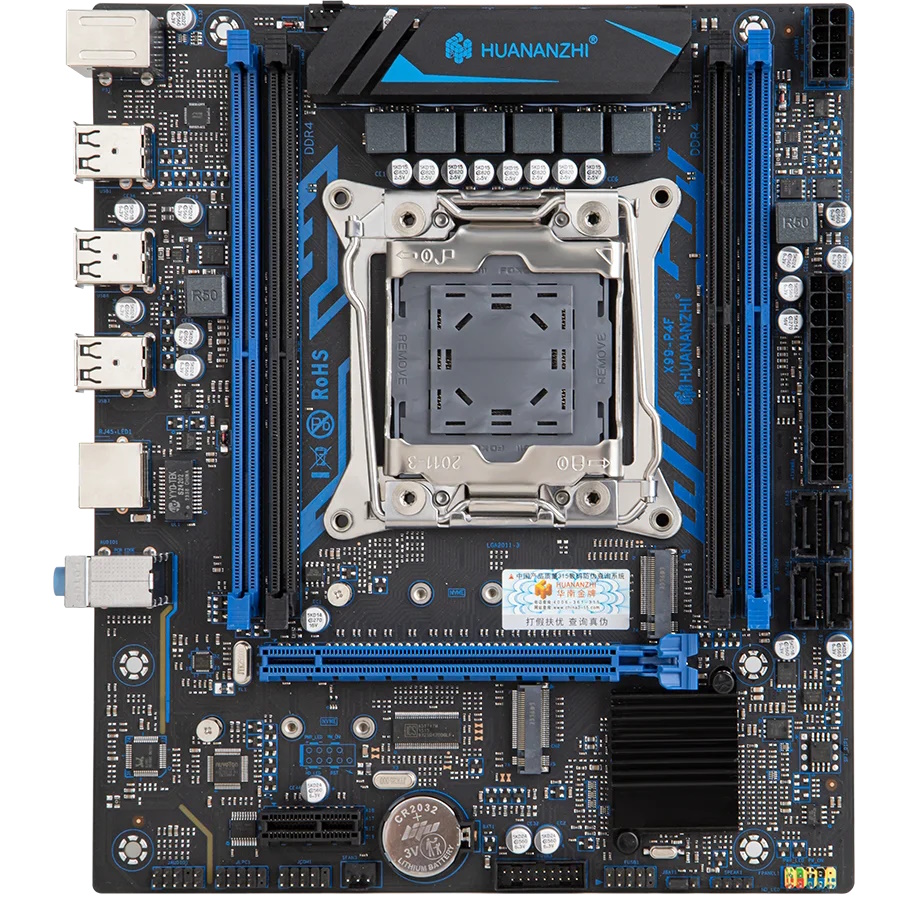
Later, it was discovered that the platform could operate on other chipsets with limitations — a fact leveraged by Chinese manufacturers to create numerous boards using older‑generation chipsets. Typically, desktop chipsets originally designed for LGA1155 and LGA1150 are used, though rarer options also exist.
Conclusion and Legacy
Socket LGA2011‑3 has had a remarkable journey: starting in 2014, it served as the foundation for powerful servers, workstations, and enthusiast builds. Thanks to support for high core counts, quad‑channel DDR4, and ample expansion, this platform remained relevant in professional environments for years.
Its true “second life” came later — with affordable Xeon E5 processors and Chinese motherboards saturating the market. Today, LGA2011‑3 continues to power budget gaming, workstation, and rendering builds, offering excellent price/performance more than a decade after its debut.

Written by
Senior Hardware Specialist proving you don't need top-tier gear to game. Expert in smart upgrades and budget-friendly PC restoration.
I feel great with my Xeon E5-2667 v4 and RTX 3070 — not planning to upgrade my system for at least a few more years.
Thanks for you work mate.
Well, I’m still on my Asus X99-E 10G WS motherboard, 128GB of ram, swapped to a 6950X with a nice heavy all core overclock of 4.22GHz, cache at 3200 for thermals and stability and Ram also running at DDR4-3200 (out of a 3600 kit). It’s feeding my RTX 4090, and I have a modified BIOS that allows for Resizable Bar which dramatically improved gaming performance. Z. Running all games at max detail with NO DLSS or other frame gen tech enabled, I’m getting north of 100FPS in 99% of games.
I bought the non 10G version of this board like 4 months after it launched and still have my 5960X I pairs with it. I got the refresh board for the faster networking and a tiny splash of early RGB.
I love this system, with its quad channel memory. Looking for more memory channels in the future, and may jump to an 8-channel build next. I love X99!
Lovely summary and reference piece. Thank you.